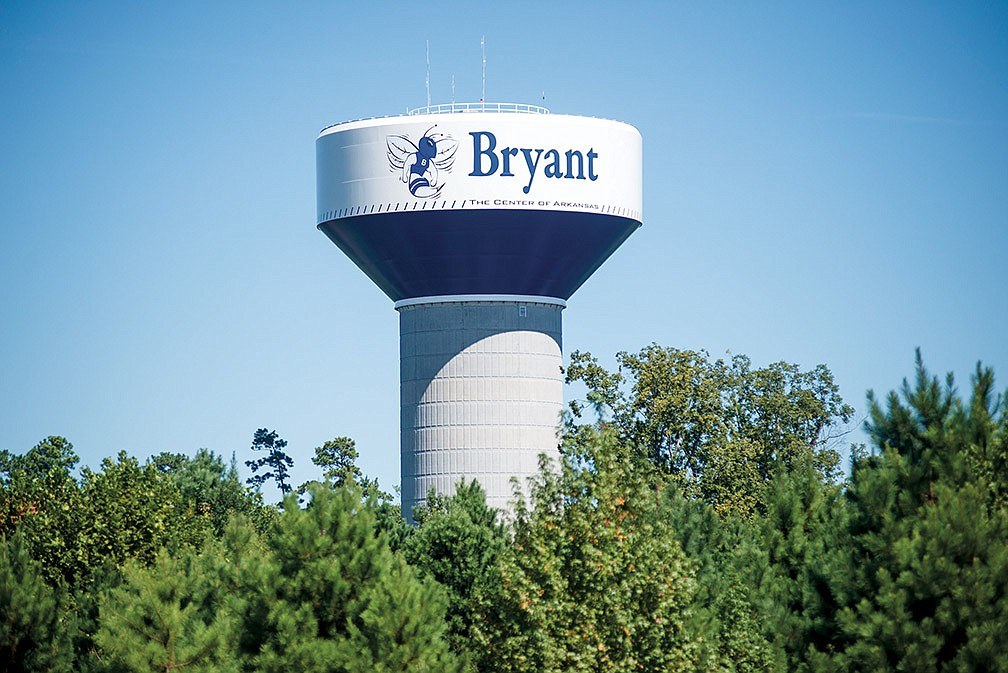
Bryant sits on Interstate 30 about 20 miles southwest of downtown Little Rock. It grew from a small railroad stop into a city of about 20,700 (2020 Census), with most of its growth arriving after the interstate came through.
The feel
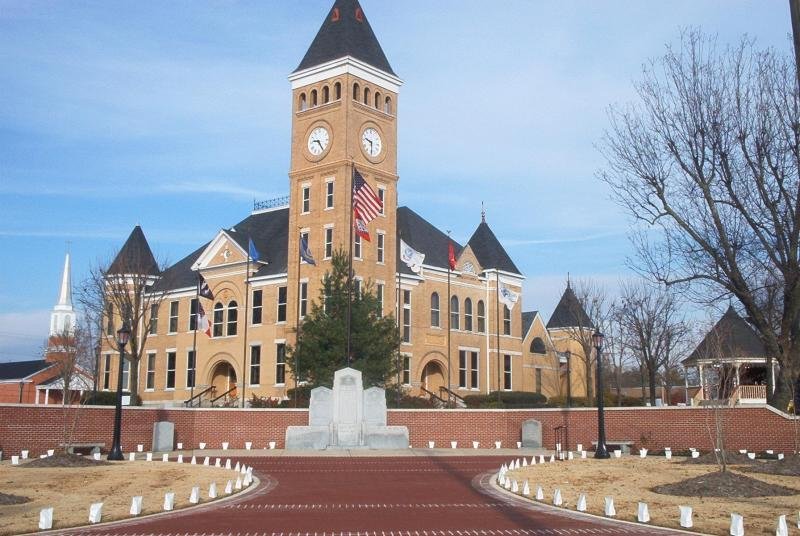
Bryant has two faces. Along Interstate 30 you get the big-box stores, chain restaurants, and quick on-ramps that most people picture. A few minutes off the frontage roads, the old town center looks much as it did decades ago. Settlers first put down roots along Hurricane Creek in the early 1800s, and the railroad arrived in the 1870s. The town incorporated in 1892, then reincorporated as a first-class city in 1946. Most of the growth since then has followed the interstate, which was built through town in the 1950s.
The homes
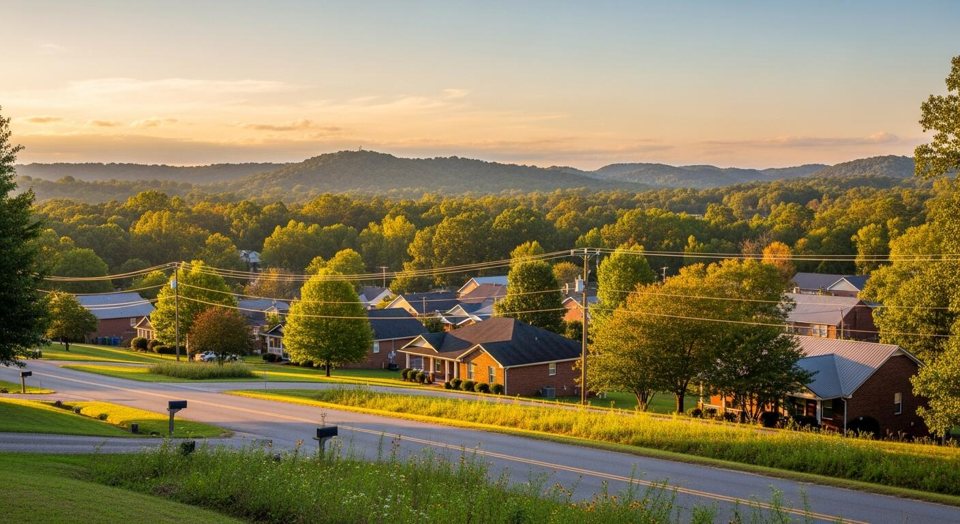
Housing in Bryant leans newer than in much of Central Arkansas. Subdivisions built over the last few decades fill much of the city, with brick and siding homes on suburban lots. You will also find older houses near the original downtown and larger rural tracts at the edges of town as you head toward the county line. The city covers about 20.5 square miles, so the mix varies a lot by neighborhood. Ask about the age of the home, the builder, and any HOA covenants before you write an offer.
Schools
The Bryant School District serves most of the city, and Bryant High School is its high school. The district also reaches into parts of neighboring Benton and Alexander. District lines do not always follow city limits, so a Bryant mailing address does not guarantee a Bryant school assignment. Check the exact property address with the district before you count on a particular school. Each fall, Bryant and Benton meet on the football field in the Salt Bowl, a rivalry game played every year since 2000.
Getting around
Interstate 30 is the main artery. It runs northeast to Little Rock, roughly 20 miles away, and southwest toward Benton and Hot Springs. Arkansas Highway 5 and Highway 183 cross town and connect to the older neighborhoods and the rural roads beyond them. Most daily errands happen along the interstate frontage roads, where the retail is concentrated. The Saline County Regional Airport sits just southeast of the city for private and general aviation flights. Commuting into Little Rock by car is the norm here.
Life here
Bishop Park is the city's main gathering place, with an aquatic center, a splash pad, a disc golf course, a community garden, and an indoor center for programs and rentals. History shows up in small ways. A marker on Highway 5 notes that the geographical center of Arkansas lies a few steps away. Another marker at Bryant Cemetery recalls the 1864 Skirmish at Hurricane Creek. The Mabel Boswell Memorial branch of the Saline County Library serves the city, and Little Rock's dining and events are a short drive up the interstate.
Owning here
Bryant is in Saline County, so property taxes are set by the county and the school district that serves your address. Confirm the current millage with the Saline County assessor and collector before you budget. Many subdivisions have HOAs with their own covenants and dues, so read them early. Hurricane Creek and smaller drainages run through and around town, which makes it worth checking FEMA flood maps for any lot near a creek. Ask your insurance agent for a quote before closing, not after.